
Balanced nutrition fuels the body and brain, supporting long-term health and reducing the risk of cardiovascular and metabolic disease.
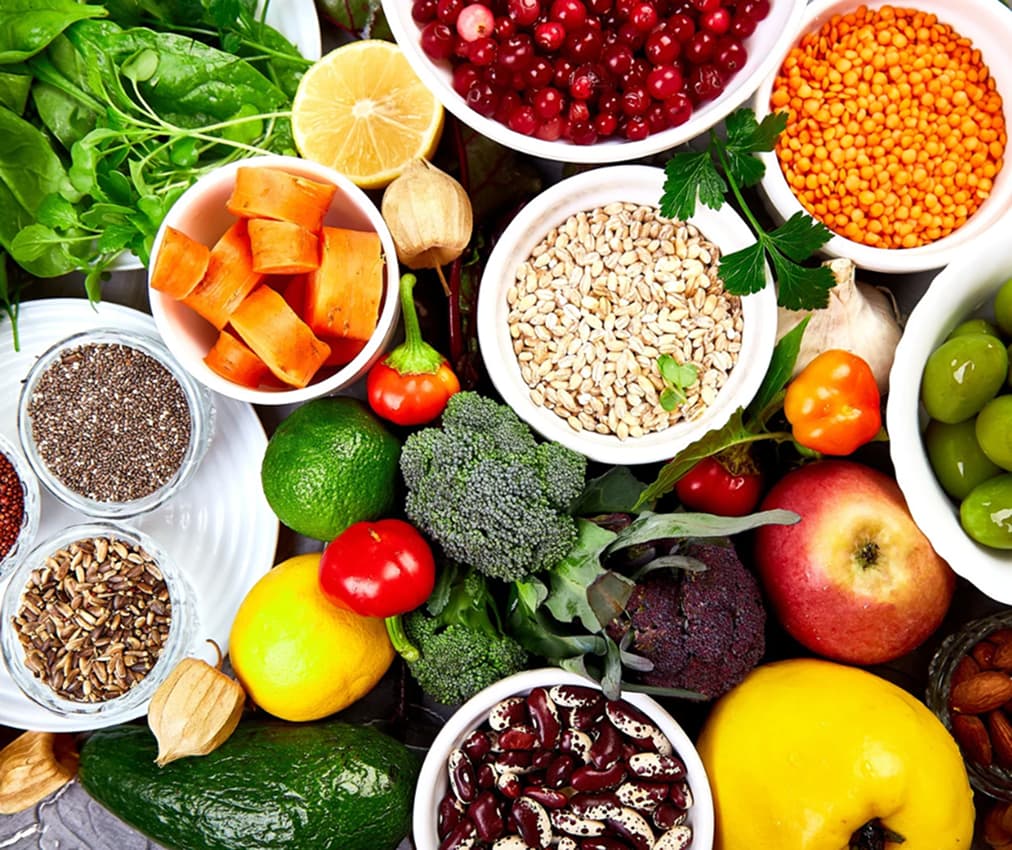
Three tools that focus on patterns, not single foods.
What you eat over months matters more than any single meal. Each tool is designed to help you notice and shape lasting habits.
MyNutrition
Track your dietary patterns over time — fruits, vegetables, whole grains, legumes, healthy fats. Built around long-term behaviour rather than calorie counting.
TRAIN App. Coming Soon →Heart-healthy Plates
Practical, science-aligned meal templates based on the AHA's Life's Essential 8 framework — Mediterranean and plant-rich patterns linked to lower cardiovascular and metabolic risk.
TRAIN App. Coming Soon →Food & You
Short, evidence-grounded explainers on how specific foods affect insulin, inflammation, and energy — to help you make more informed choices day-to-day.
TRAIN App. Coming Soon →Why dietary patterns beat individual nutrients.
The biggest gains come from how you eat over months — not from any single "superfood." Here's what the research actually shows.
What is the relationship between nutrition and chronic disease?
Chronic diseases are strongly influenced by long-term dietary patterns rather than single foods. Highly processed diets — high in refined sugars, saturated fats, and low in fibre — are associated with:
- Increased inflammation
- Insulin resistance
- Unhealthy cholesterol
- Higher cardiovascular risk
In contrast, dietary patterns rich in whole foods are associated with reduced risk. Examples include Mediterranean-style diets, plant-rich dietary patterns, and high-fibre, minimally processed diets — consistently linked to improved cardiovascular and metabolic health outcomes.
How does sugar affect the body?
Sugar — particularly added and refined sugars — is rapidly absorbed and causes quick increases in blood glucose levels. Frequent high intake can lead to repeated insulin spikes, reduced insulin sensitivity over time, increased fat storage, and energy fluctuations.
However, naturally occurring sugars in whole foods (such as fruit) behave differently due to fibre content — and are healthy.
What does the AHA's Life's Essential 8 say about nutrition?
Nutrition is one of the key pillars within this model of cardiovascular health. The framework emphasises overall lifestyle patterns rather than individual nutrients — focusing on long-term behaviours that reduce cardiovascular risk.
A heart-healthy dietary pattern is characterised by:
- Whole foodsFruits, vegetables, whole grains, and legumes — the foundation of every protective pattern in the literature.
- Healthy fatsUnsaturated fats from olive oil, nuts, seeds, and fatty fish.
- Lean proteinsFish, poultry, legumes, and plant-based protein sources.
- Limit added sugars, sodium, ultra-processedWhere most modern cardiometabolic risk concentrates.
Adherence to heart-healthy patterns is associated with lower blood pressure, improved cholesterol profiles, reduced systemic inflammation, and lower risk of cardiovascular events.
Education
Healthy eating: What does science tell us?
Scientific research consistently shows that a healthy dietary pattern is mainly based on a variety of minimally processed foods that are rich in nutrients. Small, sustainable choices tend to make a bigger long-term difference than drastic short-term changes.
Healthy eating
Choose unsaturated fats more often Not all fats have the same effect on health. Saturated fats can raise LDL cholesterol...
Read →Fats
Fats: Why Your Body Needs Them and Which Ones to Choose Fat is an essential part of a healthy diet. The key is not to av...
Read →Sugar
Sugar: Understanding the Facts Excessive sugar intake can negatively affect health, however sugar itself is not inherent...
Read →Alcohol
Alcohol: What Does It Mean for Your Health? Alcohol is deeply embedded in many cultures and social occasions. However, r...
Read →Salt
Salt: How Much Do You Really Need? Salt is an essential part of our diet. It contains sodium, a mineral that plays a vit...
Read →Fiber
Dietary Fiber Fiber plays a crucial role in digestive health, heart health, blood sugar regulation, and weight managemen...
Read →What is cholesterol?
Cholesterol is a fat-like substance that your body needs to function properly. It helps build cells, produce hormones, m...
Read →Understanding Your Cholesterol Results
LDL Cholesterol ("Bad" Cholesterol) LDL (Low-Density Lipoprotein) carries cholesterol from the liver to the body's cells...
Read →What causes high cholesterol?
Several factors can contribute to high cholesterol. Lifestyle Factors (most often) Diet high in saturated fats and trans...
Read →Understanding Cardiovascular Risk from High Cholesterol
How does cholesterol damage arteries? High LDL cholesterol contributes to a process called atherosclerosis. In atheroscl...
Read →Lowering Cholesterol Through Nutrition
Can food help lower cholesterol? Yes. What you eat has a direct impact on your cholesterol levels. Research shows that i...
Read →